

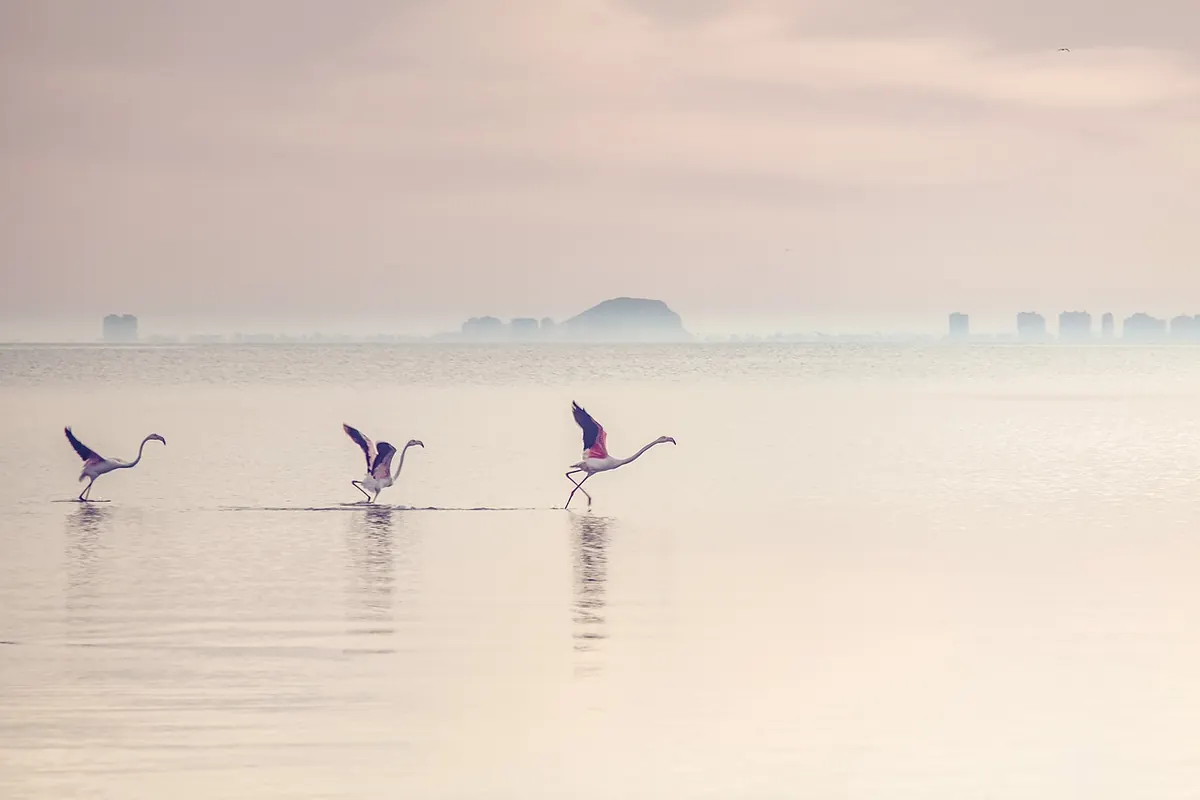
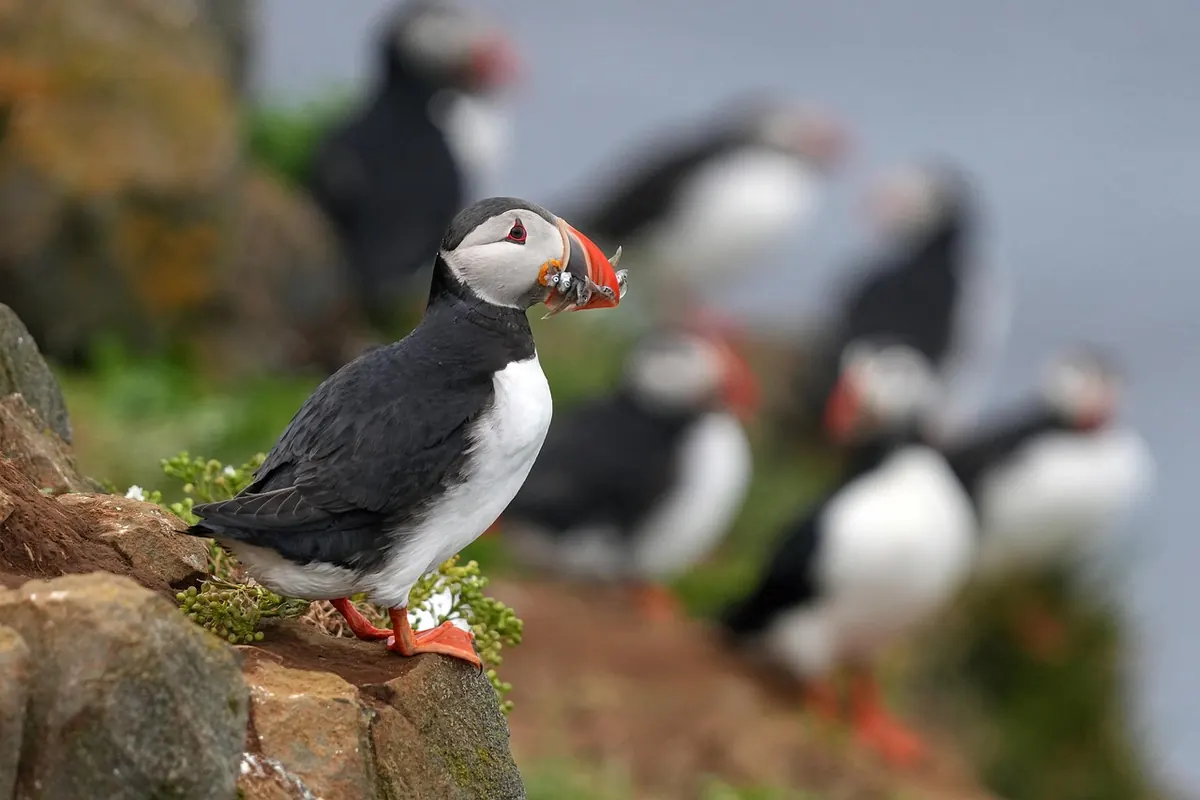

Spring on the coast never arrives all at once. It comes in waves—a warm southerly wind, a tide that leaves the right mudflat exposed, a flock of waders appearing overnight on a beach that was empty the day before. For a birdwatcher, that is the appeal. You are not simply ticking species off a list; you are reading a moving system. The trick is to know what is likely to pass, when, and under which conditions—and to be in the right place without pushing the birds too hard.
The Shape of Spring Migration
Migration is a response to daylight, food and weather, so no calendar is fixed. On temperate coasts, spring passage generally builds from late winter into early summer. The first movers are often hardy waders and early songbirds, followed by a broader push in mid-spring, then later arrivals such as terns and some seabirds. Local geography matters: a sheltered estuary warms faster than an exposed headland, and a lagoon may hold different birds from the open shore a kilometre away.
Think in three bands rather than one date.
Early arrivals
Look for the first signs on mild days after a spell of southerly winds. Oystercatchers may already be on territory, ringed plovers are returning to beaches and shingle, and early passerines such as wheatears and sand martins can appear along the coast. These are not necessarily the biggest days, but they are the most revealing: they tell you the season has started.
Peak passage
This is the broad middle of spring, when wader flocks are on the move, black-tailed godwits and dunlin gather on estuaries, and small gulls and terns begin to feature offshore. It is also when migration can be interrupted. A cold front or a band of rain may ground birds, concentrating them on the coast for a day or two. Those are often the days worth dropping everything for.
Late movers
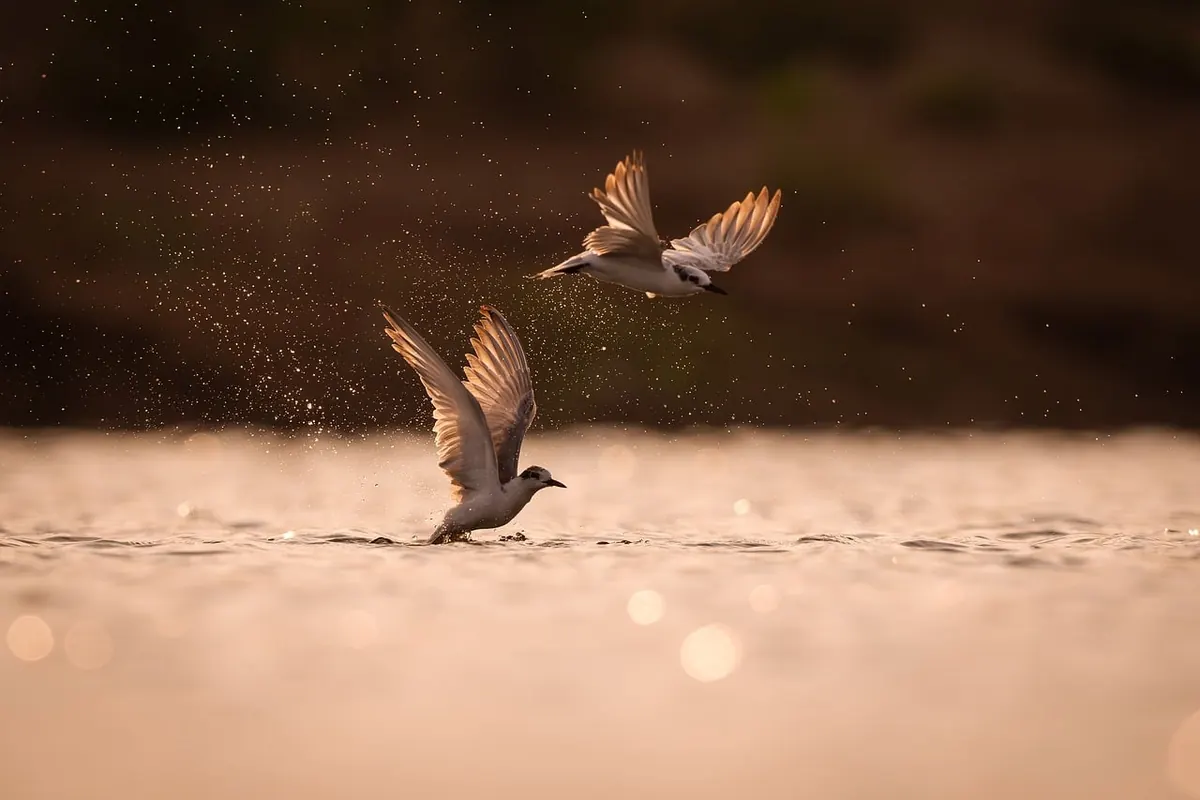
As the season matures, the emphasis shifts. Sandwich and common terns become more obvious, gannets and shearwaters pass headlands, and later songbirds filter through coastal scrub. The coast in late spring can feel quieter after the first rush, but it rewards patience: the birds that remain are often the ones that have travelled farthest.
The exact species vary with latitude and coastline, so treat any calendar as a guide, not a rule.
What to Watch, and Where
Different coastal habitats give you different views of migration. You do not need a famous reserve; a good local patch, watched regularly, will teach you more than a rushed visit to a crowded hotspot.
- Estuaries and mudflats: waders, gulls and wildfowl. Time your visit around high tide, when birds are pushed closer to the shore.
- Sandy and shingle beaches: ringed plovers, sanderlings, turnstones and roosting gulls. Watch from the upper beach and avoid walking through flocks.
- Headlands: seabirds and visible migration. Early morning is usually best, especially with onshore or cross-shore winds.
- Coastal lagoons and saltmarsh: terns, waders, herons and passerines. Scan sheltered edges quietly from a distance.
- Scrub and hedgerows: warblers, chats and flycatchers. These are often the birds that reward a slow walk rather than a fast one.
On any coast, the edge is where the action is. Walk the boundary between habitats—sand and dune grass, mudflat and saltmarsh, sea and headland—and you will meet birds using both.
Tides change the shape of a coastal visit. On a falling tide, waders spread out across mud and are harder to count; on a rising tide they are pushed towards the shore, often into view. A visit that starts two hours before high tide usually gives you the best of both: birds feeding close enough to watch, then gathering to roost. On headlands, tide matters less than wind, but a high tide can push seabirds closer.
Reading the Weather
Weather is the single most useful variable in spring. A warm southerly airflow can carry birds north ahead of schedule; a cold northerly can stall them or push them back. Clear, calm nights often mean birds pass overhead unseen, while low cloud, rain or sea fog can force them down. That is when coastal patches suddenly fill.
Before you go, check three things: wind direction, pressure and tide. A rising barometer with southerly winds is a classic spring combination. A falling barometer and a front approaching can produce a fall of migrants. Strong onshore winds may bring seabirds closer to headlands, but they also make the sea uncomfortable and the birds harder to watch safely.
Good migration days are not always comfortable days. A waterproof, a scope you can brace against the wind and a willingness to shelter behind a wall are worth more than a long lens.
A simple pre-trip check helps:
- Look at the wind: southerly or south-westerly often favours northbound movement in spring.
- Check whether rain or fog is forecast: poor visibility can ground birds and concentrate them.
- Note the tide: high tide gives you close wader roosts; low tide spreads birds across mudflats.
- Plan a sheltered route: coastal wind is tiring, and a lee shore may hold more birds.
Ethical Watching During Migration
Migrant birds are operating on tight energy budgets. A flock that has just crossed open water or flown through the night cannot afford repeated disturbance. Stay on paths, keep your distance, and use binoculars or a scope rather than walking closer. If a bird changes behaviour because of you—lifting its head, stopping feeding, flying off—you are too close.
Keep dogs on a lead around roosts and feeding flocks. Avoid playback, especially for scarce migrants; it can pull birds away from food and rest. Do not bait or feed to bring birds closer. Respect temporary closures and keep to marked routes on fragile dunes and shingle. If you share sightings, be careful with precise locations of sensitive species during the breeding season.
If you photograph birds, work from a fixed position and avoid flash or sudden movement. A distant, sharp record is better than a close, stressed subject.
The best coastal birders are often the least conspicuous. They sit still, use the landscape as cover, and let the birds settle. That is not just etiquette; it is better watching.
A Short Spring Field Plan
Start local. Pick a coastal patch you can visit often, and record what you see after different winds and tides. When a warm southerly spell follows a wet night, head for an estuary or headland early. Take the tide into account, scan from sheltered viewpoints, and give roosting flocks space. Keep a simple notebook—date, weather, tide, species, behaviour—and patterns will emerge.
Spring migration is generous. It offers something on almost every coastal visit, from a single wheatear on a fence post to a flock of godwits wheeling over mud. The more you watch, the more you notice the timing. And the more carefully you watch, the more the birds will give you.
Photo: Nennieinszweidrei / Pixabay